SINTAC Recycling Receives CINEA Visit to Review the Progress of LIFE-CLOOVER²
During 16 and 17 September, SINTAC Recycling welcomed Michel Quicheron, Project Officer at CINEA, the European Commission body responsible for monitoring and evaluating LIFE projects, to Valencia, with the aim of gaining first-hand insight into the progress and degree of implementation of LIFE-CLOOVER².
LIFE-CLOOVER², a European project coordinated by SINTAC Recycling and co-financed by the European Union through the LIFE Programme, works to demonstrate the circularity of industrial and commercial polyolefin packaging – drums, jerry cans and crates – used in the agri-food sector. The project develops and implements circular loops and demonstration pilots in the Valencian Community, integrating three key aspects: sustainability, food safety and functionality. The objective is to validate these models and lay the foundations for their subsequent replication in other Autonomous Communities and European Union countries.
A Joint View of the Entire Value Chain
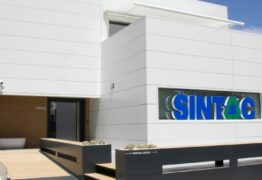
The 16 September session took place at the SINTAC Recycling facilities, where the different stakeholders involved in the project gathered: AGROFRESH, AMAFRUVA, CAPEC, GCR, PALEC ECOLÓGICO, REYDE and SINTAC Recycling. During the meeting, the partners shared with CINEA the main progress achieved to date across the different project workstreams, both in technical areas and in communication and exploitation, as well as the first results obtained.
The visit continued on 17 September with a tour of some of the facilities where the different LIFE-CLOOVER² activities are being developed, providing an opportunity to see first-hand the practical application of the circular loops proposed by the project.

Progress Towards the Circularity of Polyolefin Packaging
Among the advances presented during the visit were the results obtained in the commercial crate loop, which focuses on recovering, reusing and recycling lightweight crates that could traditionally be discarded after a single use. As a result, new crates made from 100% recycled material are already being marketed. The project is also contributing to assessing the potential of recycled polyolefins in food-contact applications, as well as developing solutions for manufacturing drums with a high recycled material content, of up to 50%. These advances continue to demonstrate the potential of circularity models for polyolefin packaging, while maintaining the technical and functional performance required by industrial and agri-food applications.
Teresa Martínez, LIFE-CLOOVER² coordinator, highlighted: “LIFE-CLOOVER² represents a practical example of how to move towards circular models for polyolefin packaging. The project integrates sustainability, food safety and functionality, three fundamental aspects for developing circular solutions that maintain the technical performance required by each application.”
For his part, following the visit, Michel Quicheron highlighted the importance of seeing the actions developed by the different partners first-hand and noted that the closed loops demonstrated present technical feasibility and replication potential both in the Valencian Community and in other regions of Spain and European Union countries. Economic feasibility will be assessed once the project’s business plan and exploitation plan have been completed.

CINEA’s visit represents a further opportunity to share the progress of LIFE-CLOOVER² and continue strengthening collaboration among the different stakeholders across the value chain, moving towards more circular models for plastic packaging used in the agri-food sector.
For more information: https://www.lifecloover.com/
Featured Articles